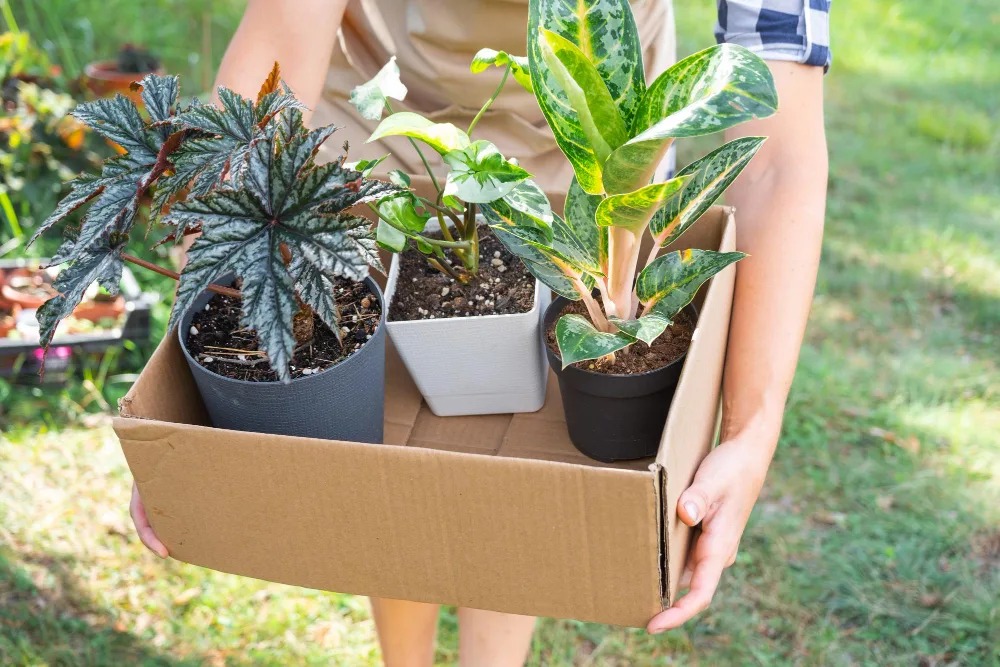
In Samsun, the autumn container problem is often not simply cold; it is the combination of more rainy days, wetter root zones, wind and declining light around a plant with its own tolerance.
MGM climate statistics show the seasonal direction but cannot choose a move-in date for every balcony. Buildings create different exposures, and species respond differently. The practical decision combines forecast lows, the plant's known tolerance, pot drainage, current moisture and shelter. Observe first; do not water or move everything by calendar habit.
Audit drainage before the wetter pattern
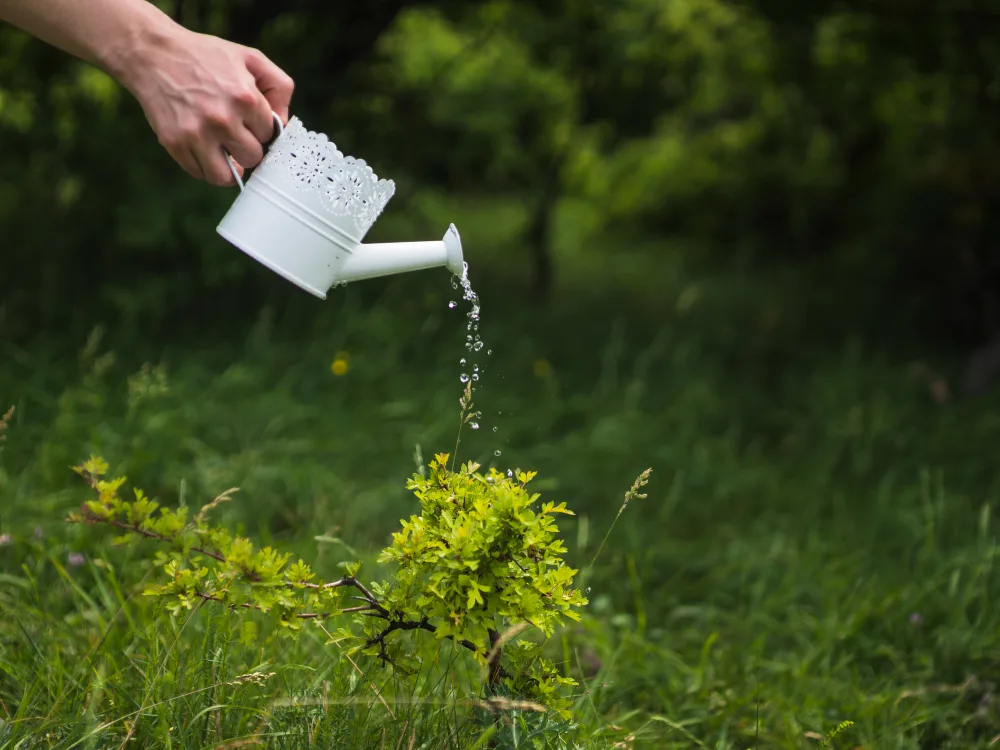
Confirm that every container has open drainage holes and is not sealed inside a decorative outer pot full of water. Lift pots off a surface that blocks outflow and empty saucers after rain. A wet top layer does not reveal the whole root ball, so check moisture at a useful depth and compare pot weight before adding water.
Decide by plant and exposure
Identify the plant and find a credible minimum-temperature range. Compare it with the forecast at the balcony, not only a city average. Wind and an exposed upper floor can increase stress; a sheltered wall can moderate it. Move tender plants before damaging conditions, while hardy plants may remain outside with better drainage and wind protection.
Inspect before crossing the threshold
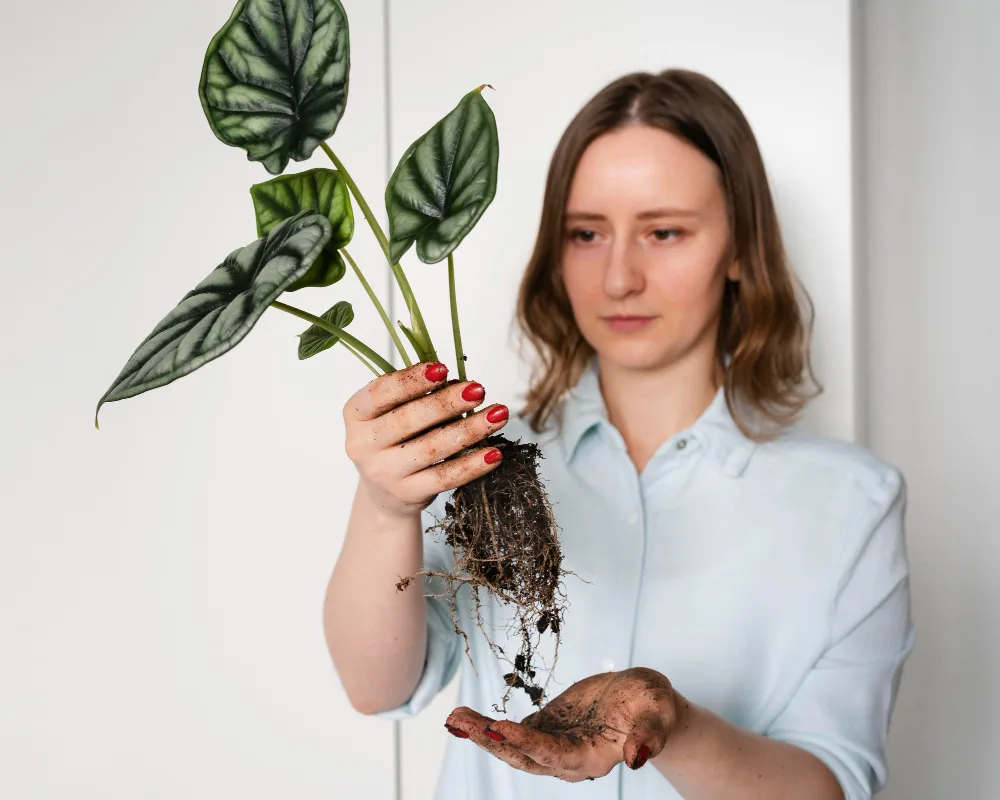
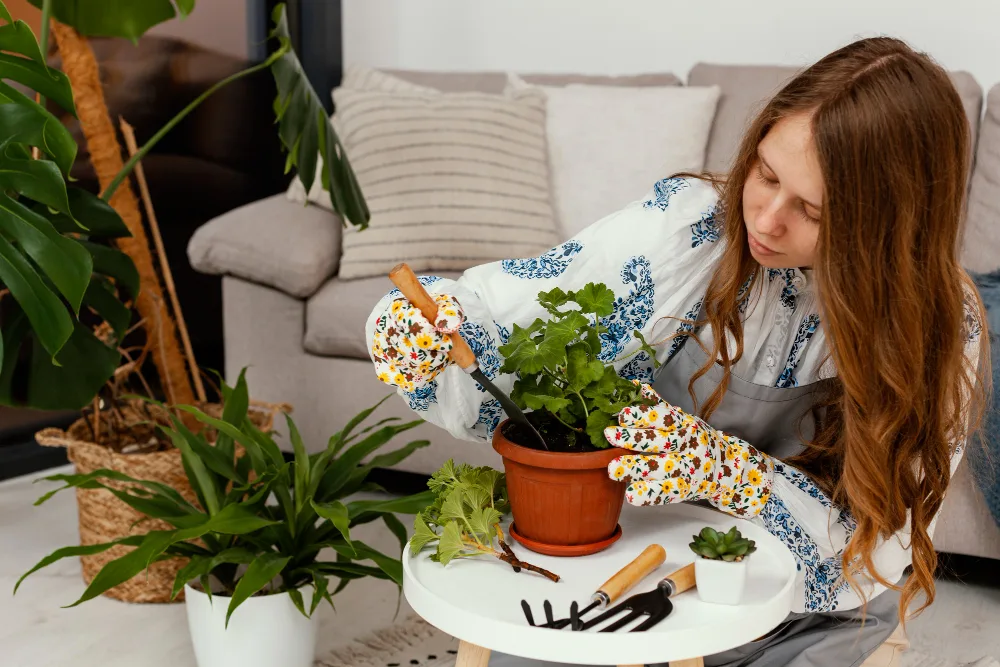
Look under leaves, along stems and around the pot rim for pests, webbing, eggs, sticky residue or damaged tissue. Isolate questionable plants rather than bringing them into a crowded room. Remove dead material with clean tools and avoid preventive pesticide use without identifying a problem. Quarantine provides time to observe.
Make the indoor transition gradual
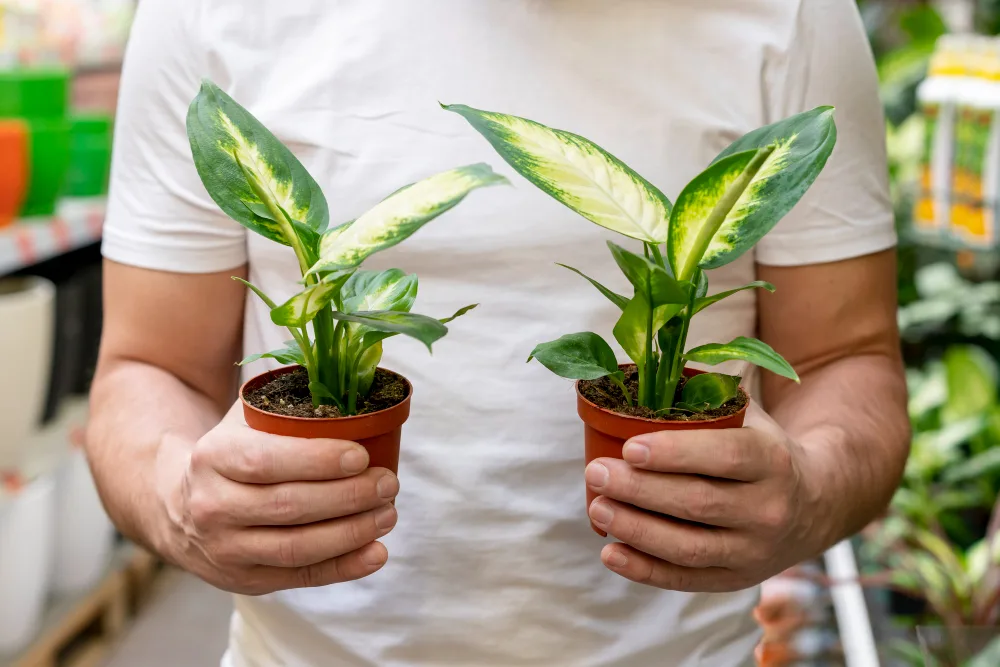
Choose the brightest suitable indoor location away from abrupt heat or cold drafts. Lower light and cooler growth usually reduce water use, while central heating may reduce humidity. Recheck the compost instead of preserving the summer schedule. RHS guidance emphasises watering by need and maintaining drainage rather than routine.
Autumn placement decision
| Evidence | Possible action | Recheck |
|---|---|---|
| Tender plant and forecast near its limit | Move to a suitable bright indoor area | Pests and soil moisture |
| Hardy plant, exposed wind | Keep outside but shelter and secure pot | Drainage after heavy rain |
| Waterlogged outer pot | Drain immediately and restore free outflow | Root-zone moisture before watering |
| Unknown pest signs | Isolate and identify | Do not combine with indoor collection |
Weekly autumn round
- Read the current forecast, not only normals.
- Check drainage holes, saucers and pot weight.
- Inspect leaves and stems before moving.
- Group decisions by plant tolerance.
- Review light and watering after indoor transition.
Regional climate supplies context; the plant and its pot provide the decision. The strongest autumn routine in Samsun responds to rain, moisture, exposure and tolerance together.