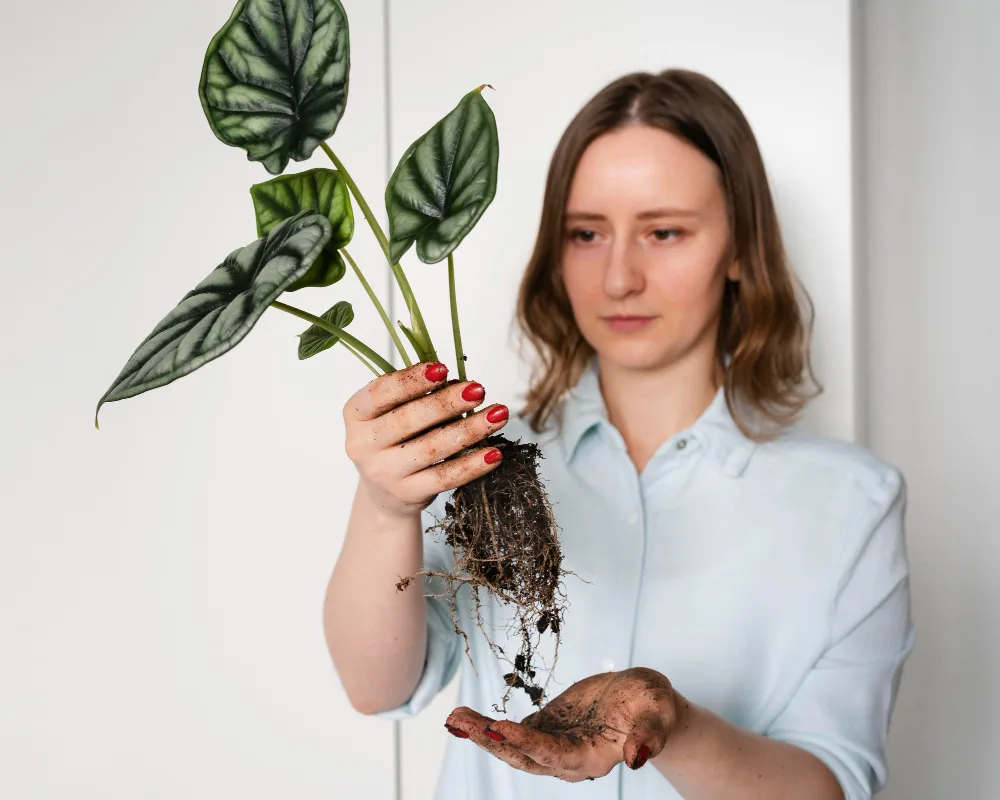
Hydrangeas are a beloved choice for gardeners in the Black Sea region, thanks to their ability to thrive in humid climates. Understanding their specific needs can help you cultivate healthy, vibrant plants.
Climate Adaptation
Hydrangeas are well-suited to the humid conditions of the Black Sea region. They prefer morning sun with afternoon shade to prevent leaf scorch.
Watering Needs
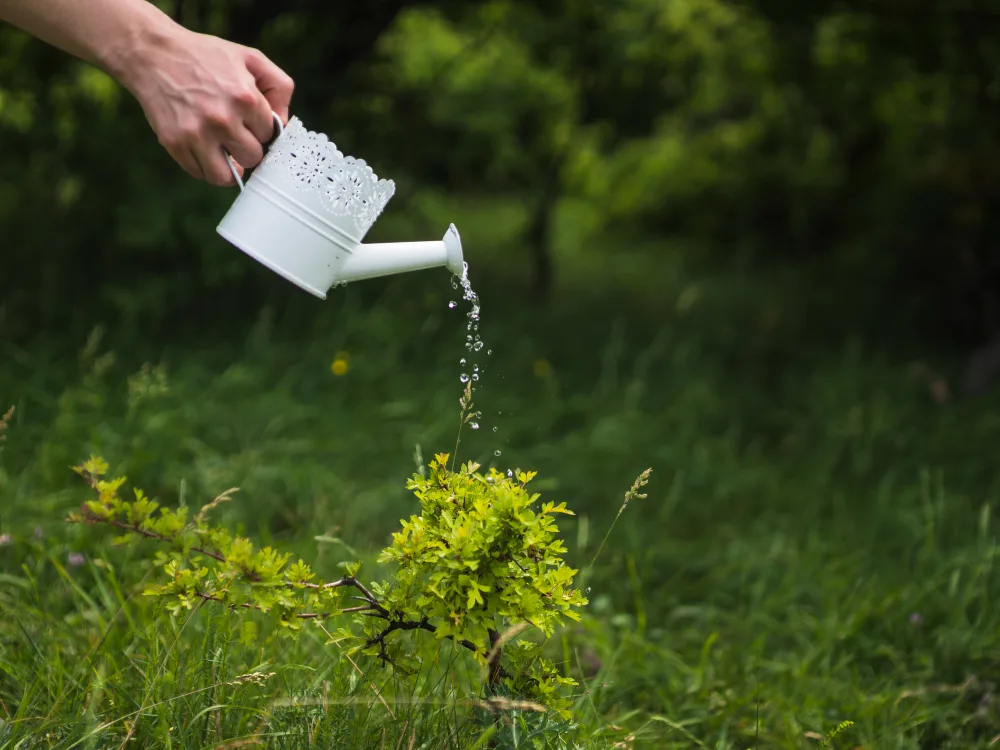
Consistent moisture is crucial for hydrangeas. Ensure they receive regular watering, especially during dry spells, to keep the soil consistently moist but not waterlogged.
Soil Structure and Drainage
Hydrangeas thrive in well-draining soil rich in organic matter. Proper drainage prevents root rot, a common issue in overly wet soil conditions.
Soil pH and Flower Color
The pH level of the soil can influence the color of hydrangea blooms. Acidic soils tend to produce blue flowers, while alkaline soils result in pink blooms.
Pruning Time
Pruning is essential for maintaining the shape and health of hydrangeas. The timing depends on whether your hydrangea blooms on old or new wood.
Old vs. New Wood Blooming
Some hydrangeas bloom on old wood, meaning last year’s growth, while others bloom on new wood, or the current season’s growth. Knowing which type you have will guide your pruning schedule.
Growing in Pots and Gardens
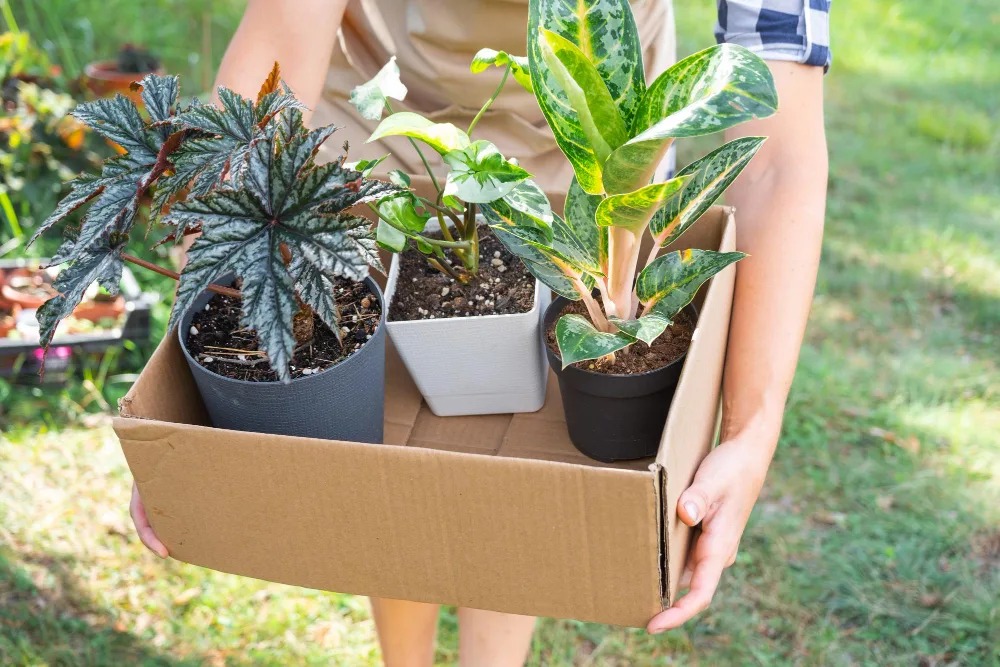
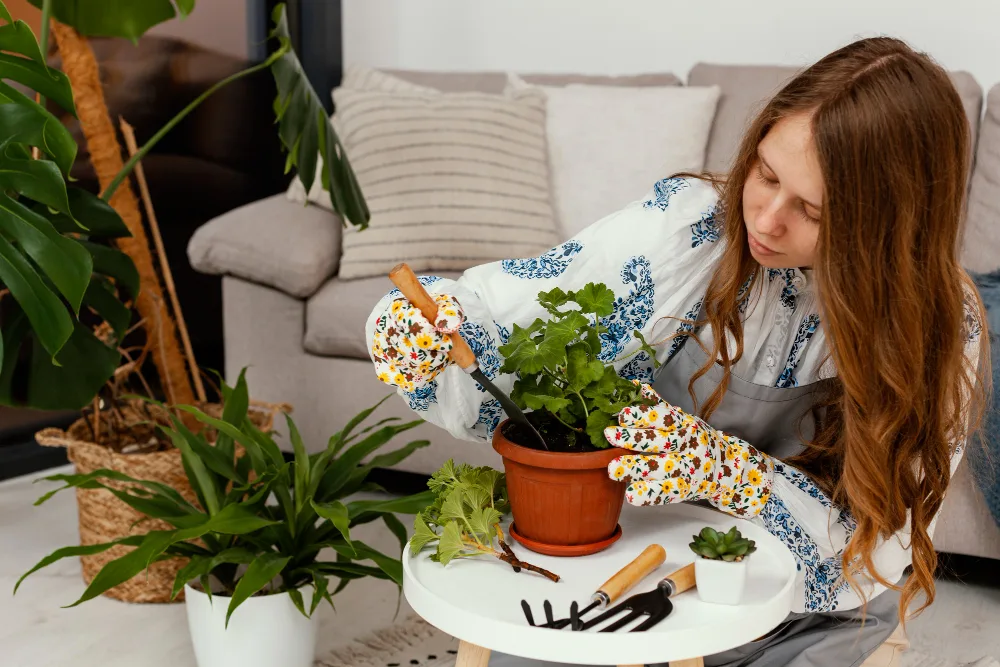
Hydrangeas can be grown both in pots and directly in the garden. Ensure pots have adequate drainage and are large enough to accommodate the root system.
Winter Care
In winter, protect hydrangeas from harsh winds and frost by mulching and covering them if necessary.
For more gardening tips, visit our Plant Care section.