
Regional botany
Plant knowledge with your climate
Plant care for Samsun and Türkiye
In this issue
-
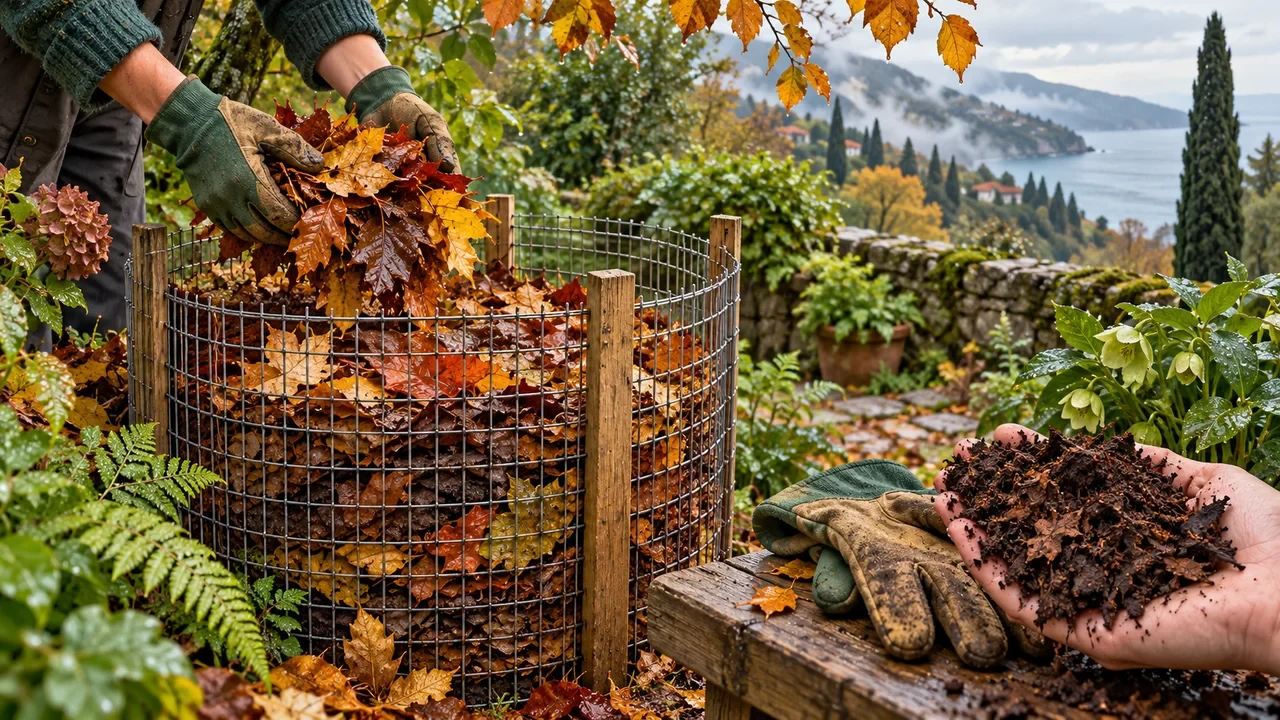
Making Leaf Mould in Samsun: A Practical Autumn Setup
Turn fallen leaves into a soil conditioner with a sheltered, airy setup, moisture checks and a realistic decision about when the material is ready.
-
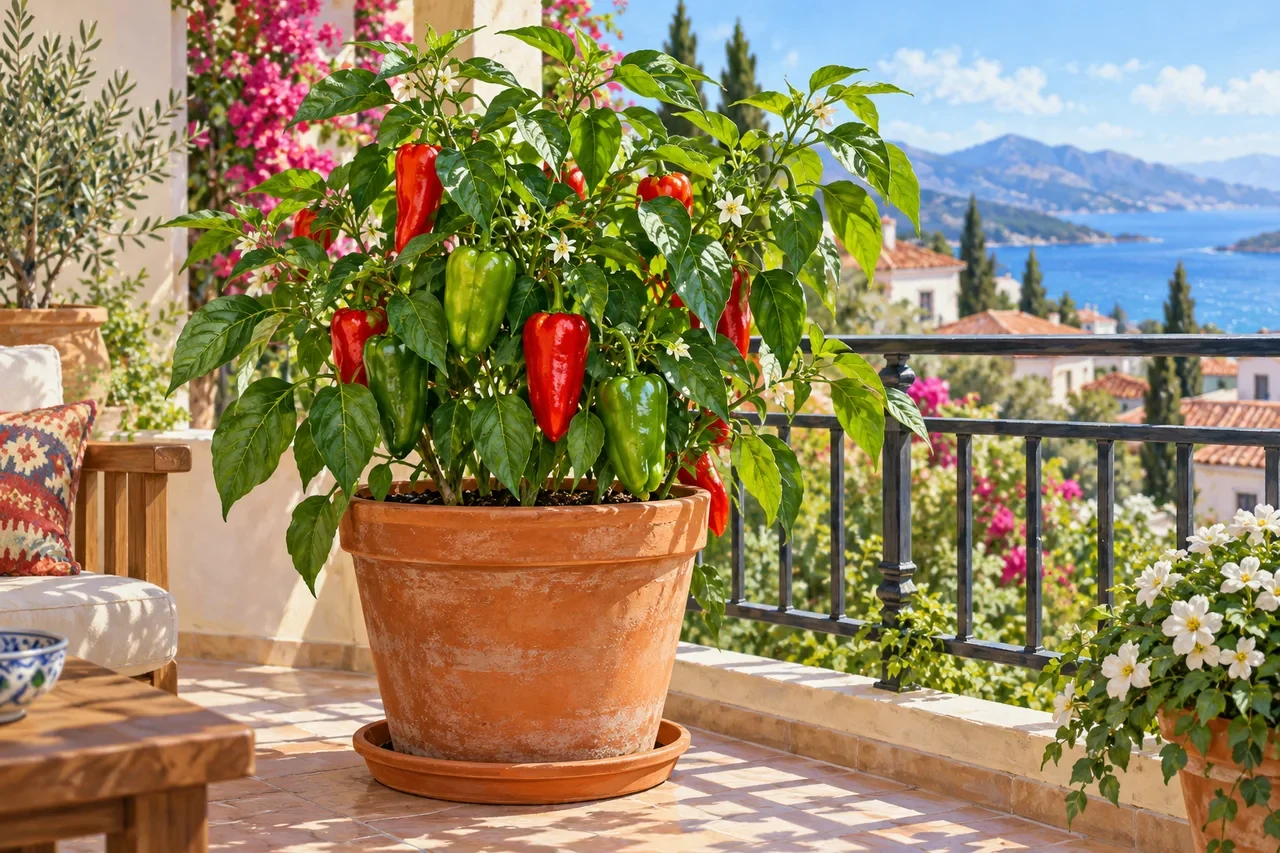
Growing Peppers in Samsun: Planting, Containers, Watering and Yield
It is easy to put peppers on the same calendar as tomatoes, but they can be more tender in a cool spring. Taking the seedlings outside early because of a few warm days can leave plants standing still for weeks.
-
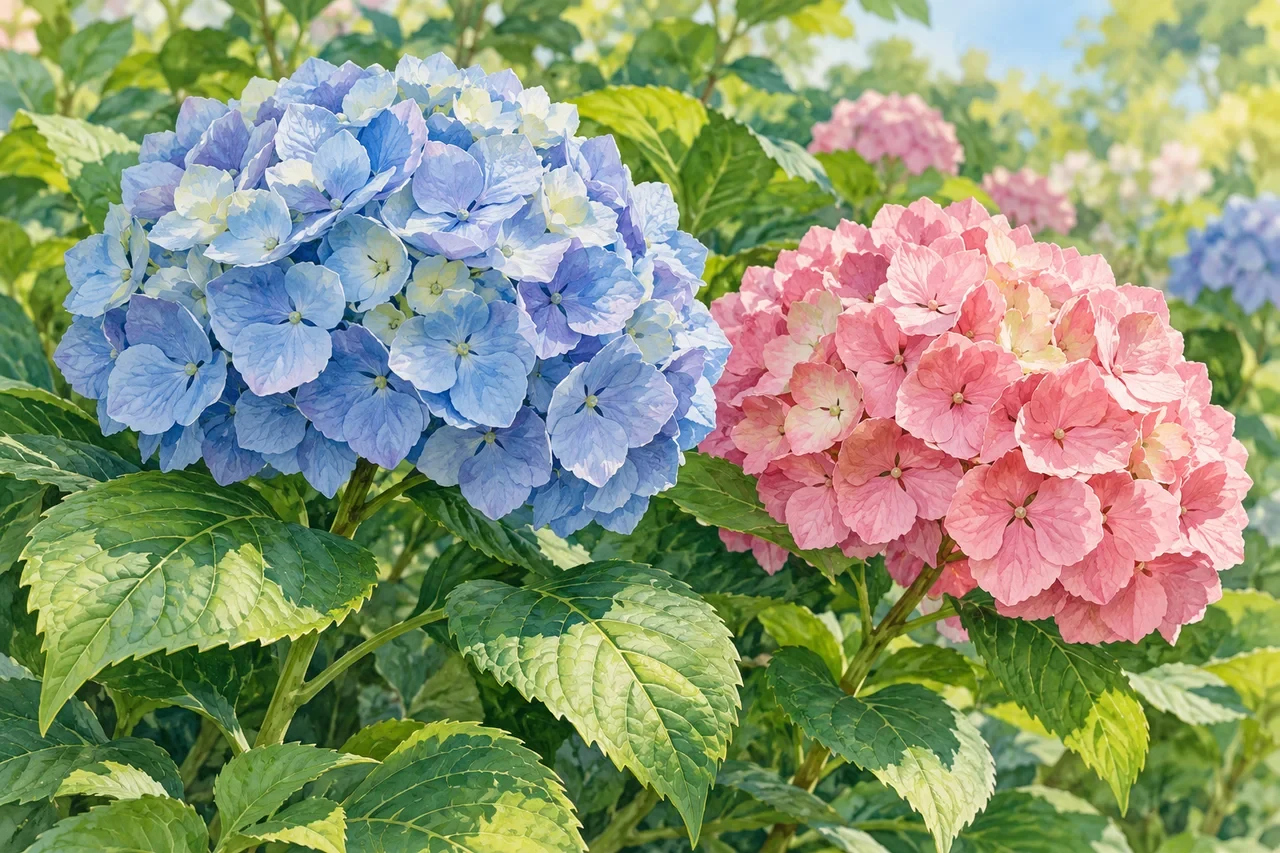
Why Hydrangeas Turn Blue or Pink: Soil pH and Variety
Hydrangea colour depends on variety, soil pH and aluminium availability. Check the plant and growing medium before trying to change its flowers.
-
Why Lawns Get Mossy in Samsun: Shade, Compaction and Drainage
When moss appears in a lawn, it is easy to look for a way to kill the moss. Moss usually marks the conditions in which the grass is weak. If the same shade, compaction and excess moisture continue, the problem comes back even after you clear the surface.
-
Growing Tomatoes in Samsun: Managing Humidity and Disease Risk
In Samsun, tomatoes often start strongly; the problem shows up when the foliage thickens and several rainy days follow one another. In managing disease, the first question is not which product to spray, but how quickly the leaves can dry during the day.
-
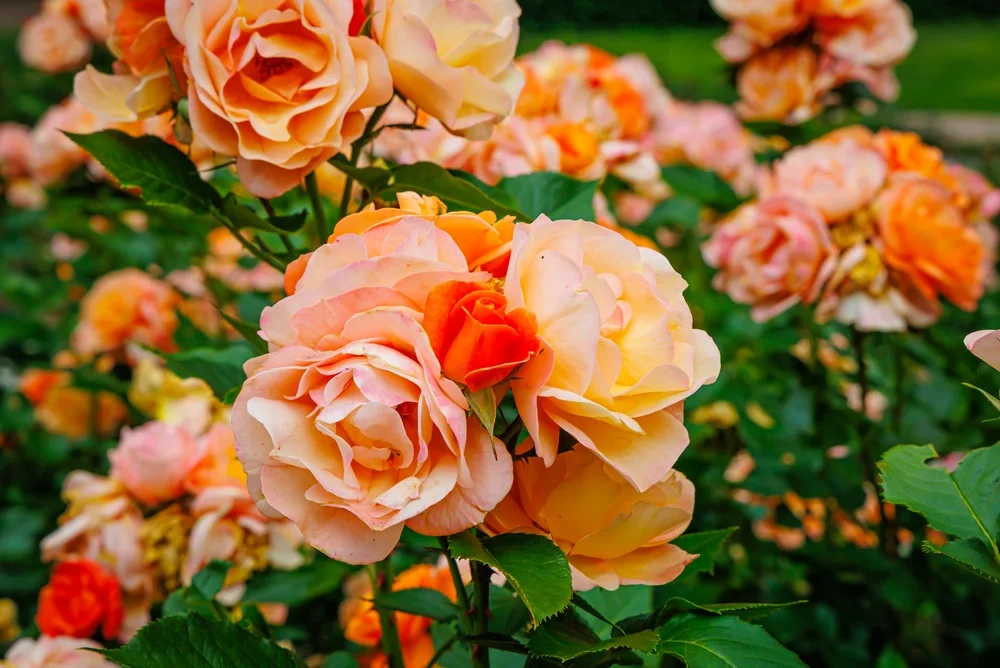
Rose Care in Samsun: Black Spot, Pruning and Watering
Roses like sun; they do not like leaves that stay wet for days. In Samsun, rose care is not only feeding. It is building a plant that can dry quickly after rain.
-
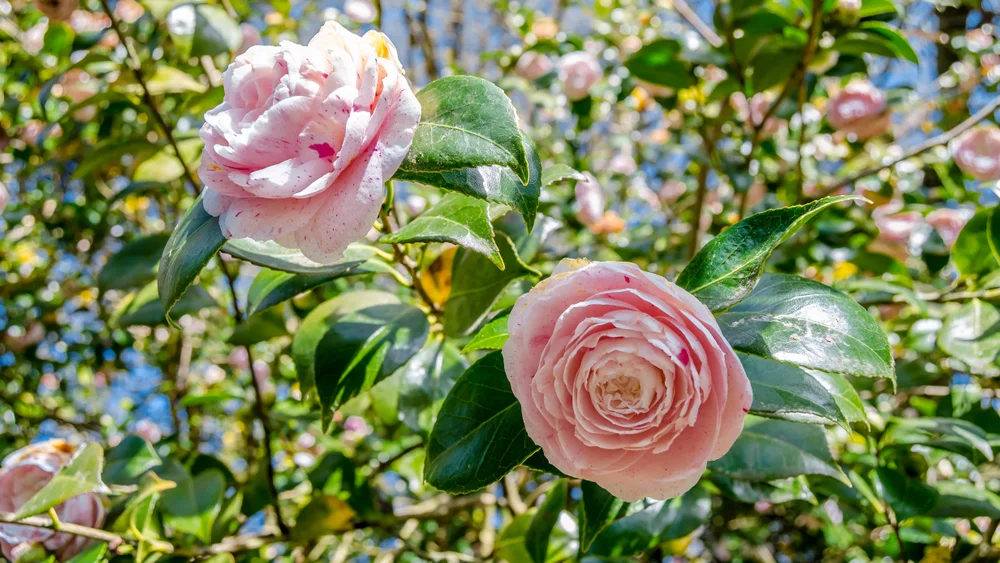
Camellia Care in Samsun: Buds, Acidic Soil and Position
Camellia suits a Black Sea garden, but “likes moisture” does not mean the roots can sit in water. Good camellia care treats position, an acidic root environment and steady moisture together.
-
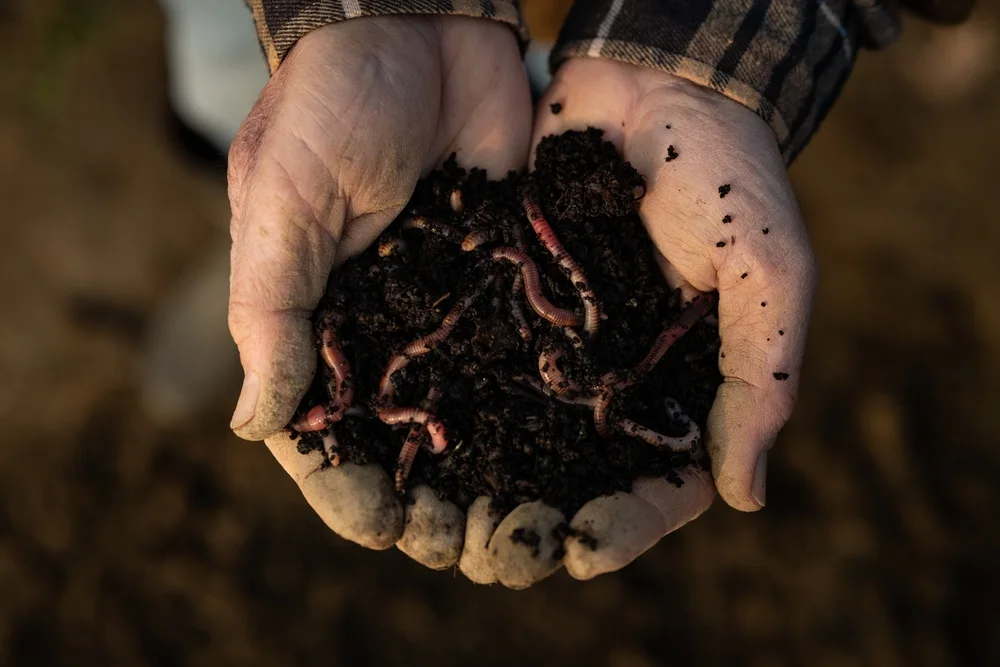
Are Coffee Grounds Good for Plants? Fertilizer, pH and Compost Facts
Using coffee grounds in the garden instead of throwing them away makes sense; treating them as a miracle fertiliser or a reliable way to lower pH is something else. The better use is usually to add them, in a controlled way, to the organic-matter cycle rather than piling them alone on a pot.