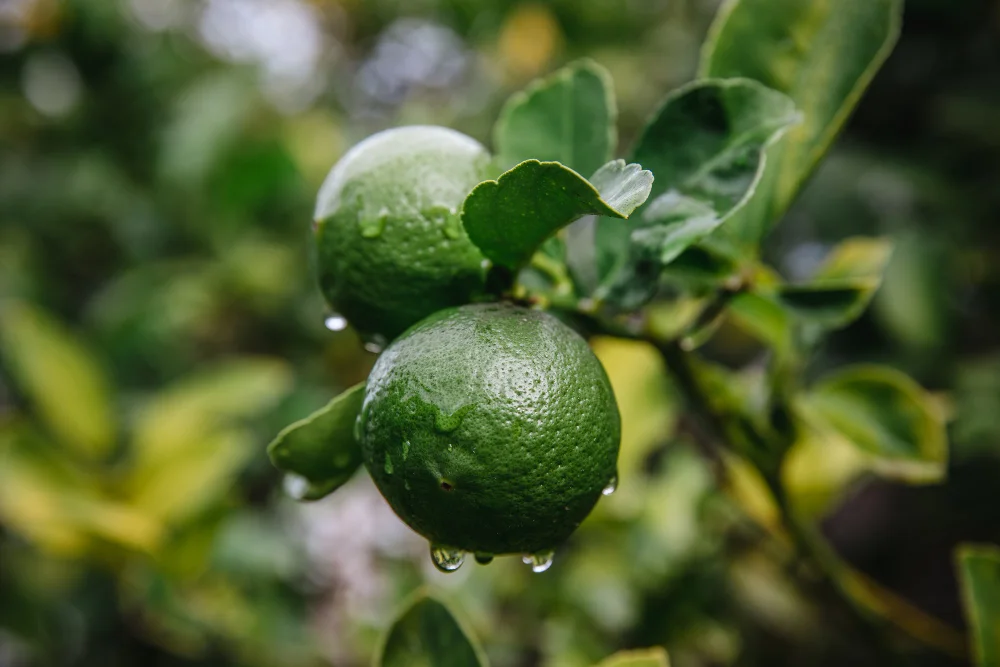
It is not right to copy a Mediterranean lemon calendar straight onto Samsun. Here, roots running out of air in rainy weeks, slower growth in the cool season, and choosing a sheltered microclimate matter at least as much as summer watering.
A garden planting and a pot give different flexibility
A lemon planted in the garden does better in a spot facing south or south-east, relatively sheltered from the north wind, that does not hold water after rain. A pot lets you move the tree when harsh weather arrives; in return the root ball reacts faster to changes in temperature and water.
Rain does not prove the pot was watered properly
Rain does not prove the pot received the right amount of water. A balcony overhang can keep the water off; the opposite problem is a decorative outer pot that holds water and leaves the roots wet for days. Checking moisture a few centimetres down, and the weight of the pot, is more reliable than a calendar.
Do not move a winter-shaded tree into full sun at once
Lemons want strong light. A tree that spent the winter in shade is better eased into full sun than moved there in the first warm week; that reduces leaf stress. On a windy balcony, do not automatically read leaf drop as thirst.
Yellowing is not fertiliser shortage on its own
Yellow leaves are not a fertiliser shortage on their own. Constantly wet roots, low temperature, nutrients becoming harder to take up because of pH, and ordinary leaf ageing can look similar. I look first at which leaves yellowed, how the soil smells, and the state of new growth.
Winter protection is not a season under an airless cover
The aim of winter preparation is to manage the risky nights, not to keep the tree under an airless cover all season. Roots in a pot can cool faster than roots in garden soil. If it comes indoors, a bright, cool transition space is more balanced than a spot beside a hot radiator.