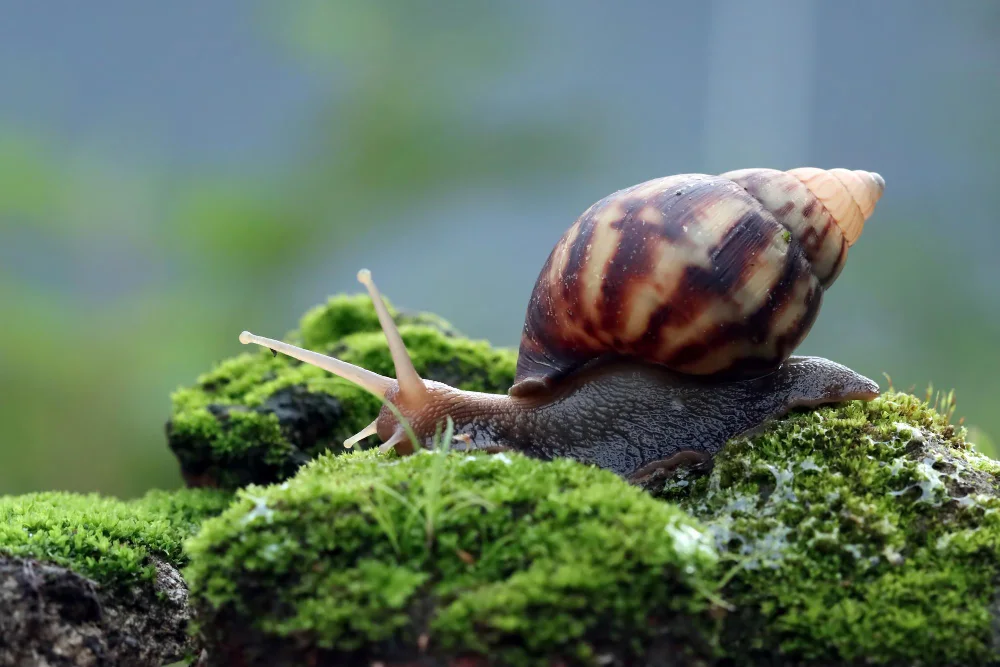
You can find irregular holes in a seedling in the morning and see nothing when you look for the culprit by day. In a humid Black Sea garden, one of the more instructive ways to manage slugs is a few minutes with a torch at night.
Not every hole in a leaf is a slug
A mucus trail and irregular grazing are strong clues, but not every hole in a leaf is a slug. Identifying the animal by seeing it in the evening or after rain reduces unnecessary treatments.
Reduce daytime hiding places
Boards, thick weeds, pots sitting on the ground and constantly wet shade can provide daytime cover. The aim is not to sterilise the garden, but to reduce unnecessary shelter right next to a tender vegetable bed.
Do not water the whole surface in the evening
Watering the whole surface in the evening can prolong the moisture that night-active pests use. If the plant needs water, morning watering helps the surface dry somewhat before night. In Samsun it is especially unnecessary for automatic irrigation to run regardless of rain.
A new seedling cannot absorb one night of damage
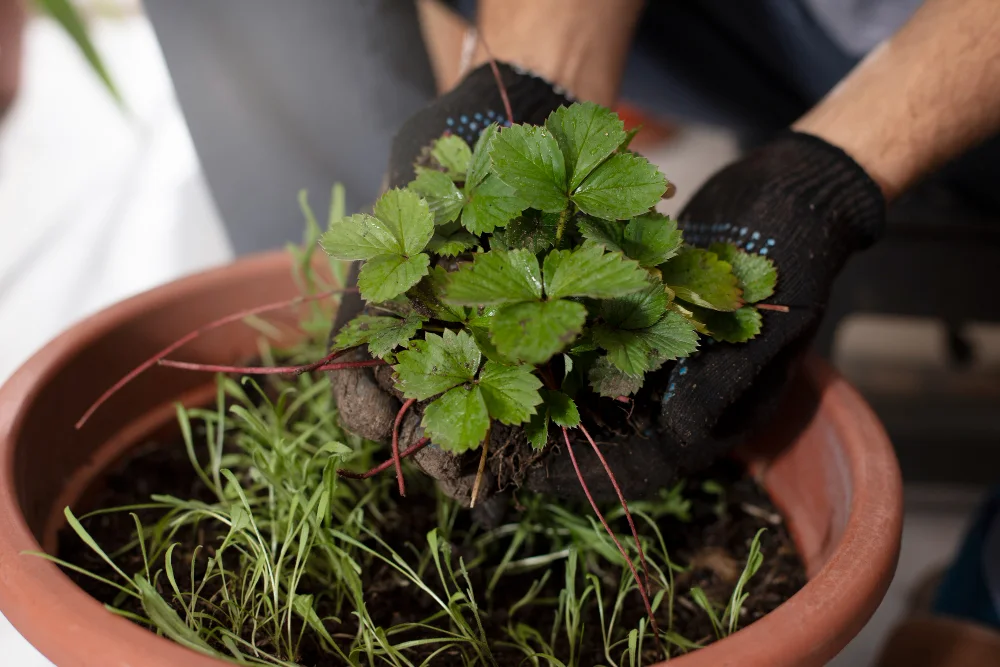
Newly planted lettuce or basil cannot tolerate one night of damage the way a large plant can. Concentrating effort on the new seedlings is more useful than spreading it across the whole garden.
Hand picking, and not relying on one method
In a small garden, collecting by hand for several nights in a row should not be dismissed. If you use a barrier or a licensed product, do not rely on that alone; managing shelter, watering and observation together gives a more lasting result.