Soil pH is talked about a lot, but most mistakes start before the measurement. Pushing a cheap probe into one corner and treating that number as the whole plot can be misleading.
pH is not the whole of fertility
pH affects how acid or alkaline the soil is and how available many nutrients are. On its own it does not say whether the soil is fertile; texture, organic matter, salinity and nutrient levels are separate questions.
Do not read the whole garden from one spot
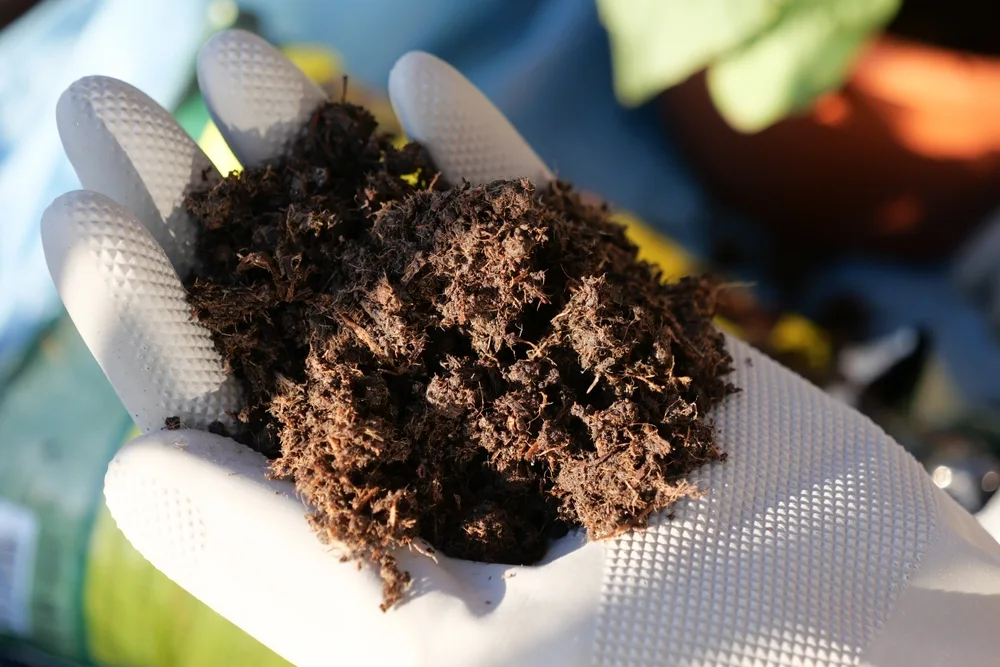
When you test a uniform bed, small samples from several points at a similar depth, combined into a representative sample, give a more reliable result. Do not mix lawn soil and a hydrangea bed in the same sample.
A cheap probe may not support a large correction
Simple probes can give a quick impression, but calibration, moisture and the device’s quality affect the result. If you are about to make a large pH correction, a good kit or a laboratory analysis is a safer basis.
A rainy region does not make every soil acid
A rainy region does not mean every soil is acidic. Building fill, the local parent material and past treatments can create large differences even within Samsun.
Do not apply lime or sulphur by eye
Amendments such as lime or sulphur should not be used by guesswork. The soil’s buffering capacity affects the amount. Measuring the change, then testing again, is the most reliable method.