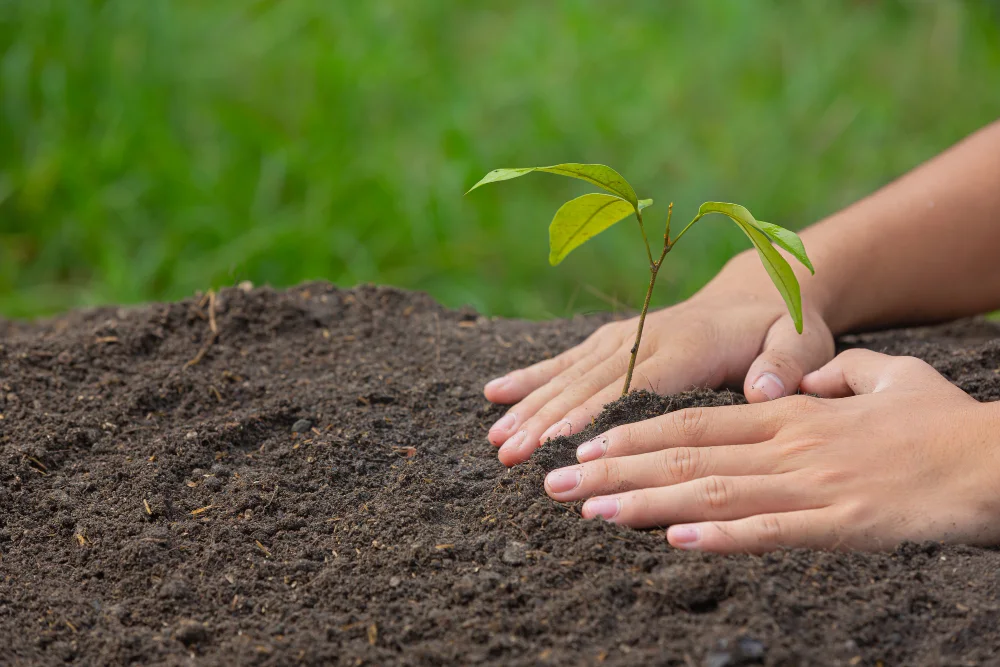
Using coffee grounds in the garden instead of throwing them away makes sense; treating them as a miracle fertiliser or a reliable way to lower pH is something else. The better use is usually to add them, in a controlled way, to the organic-matter cycle rather than piling them alone on a pot.
Grounds do not act like a balanced fertiliser
Brewed grounds contain organic matter and nutrients, but they do not work like a standard balanced fertiliser. Nutrients reach the plant through decomposition.
Brewed grounds do not acidify every soil
Coffee being acidic does not mean brewed grounds will acidify every soil in a predictable way. If a hydrangea or blueberry needs a target pH, you have to measure.
A thick pure layer compacts
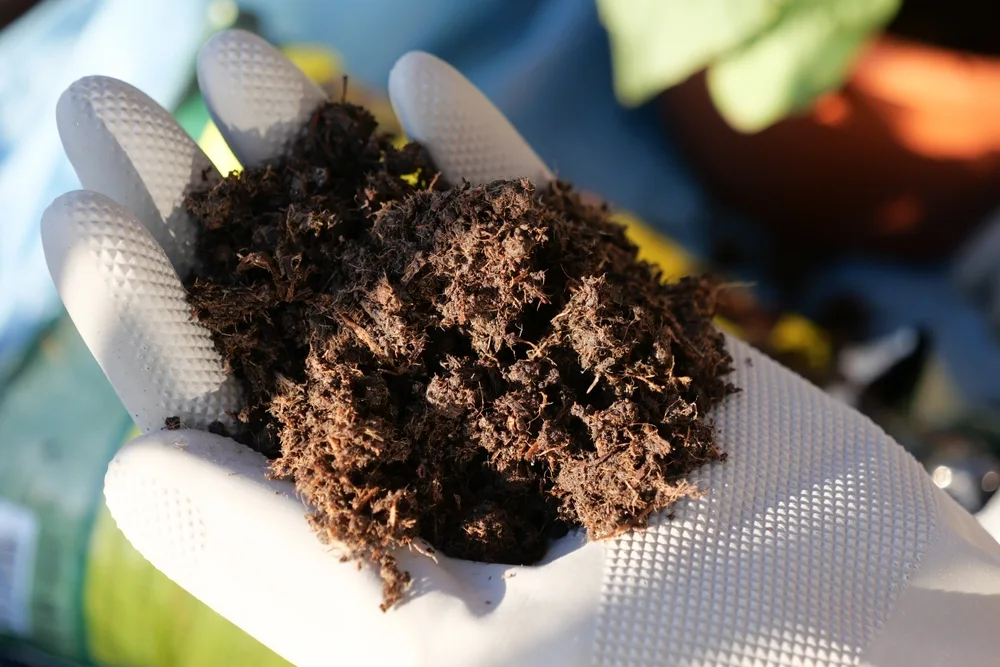
A thick layer of pure grounds can compact when wet and crust when dry. Mixing them with other organic materials is safer than pouring centimetres of grounds onto a pot surface.
Balance them in compost with dry carbon
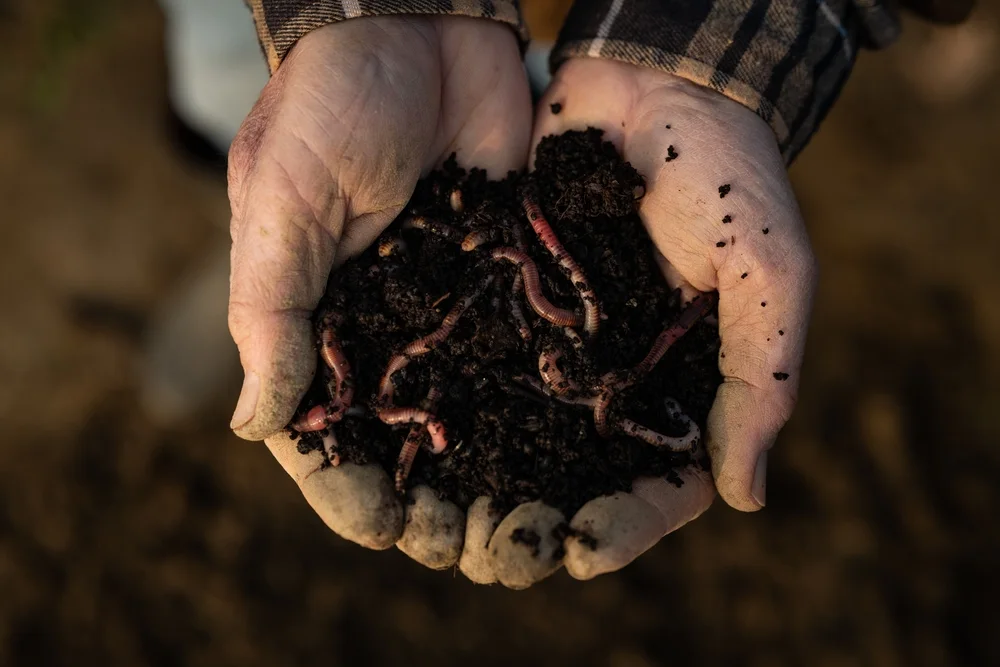
In compost, grounds can be balanced with carbon sources such as dry leaves and shredded cardboard. In Samsun’s rainy season, a store of dry brown material is especially useful.
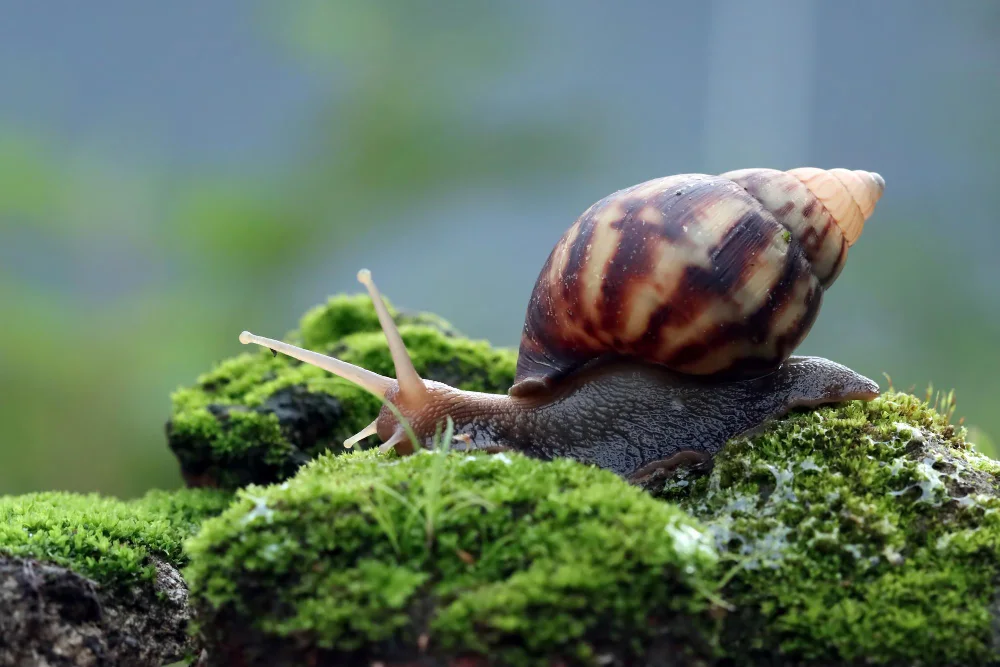
They are not a slug treatment
It is not right to treat coffee grounds as a slug repellent or as a natural remedy for every pest. Garden problems need diagnosis, habitat management and observation together, not faith in one household material.