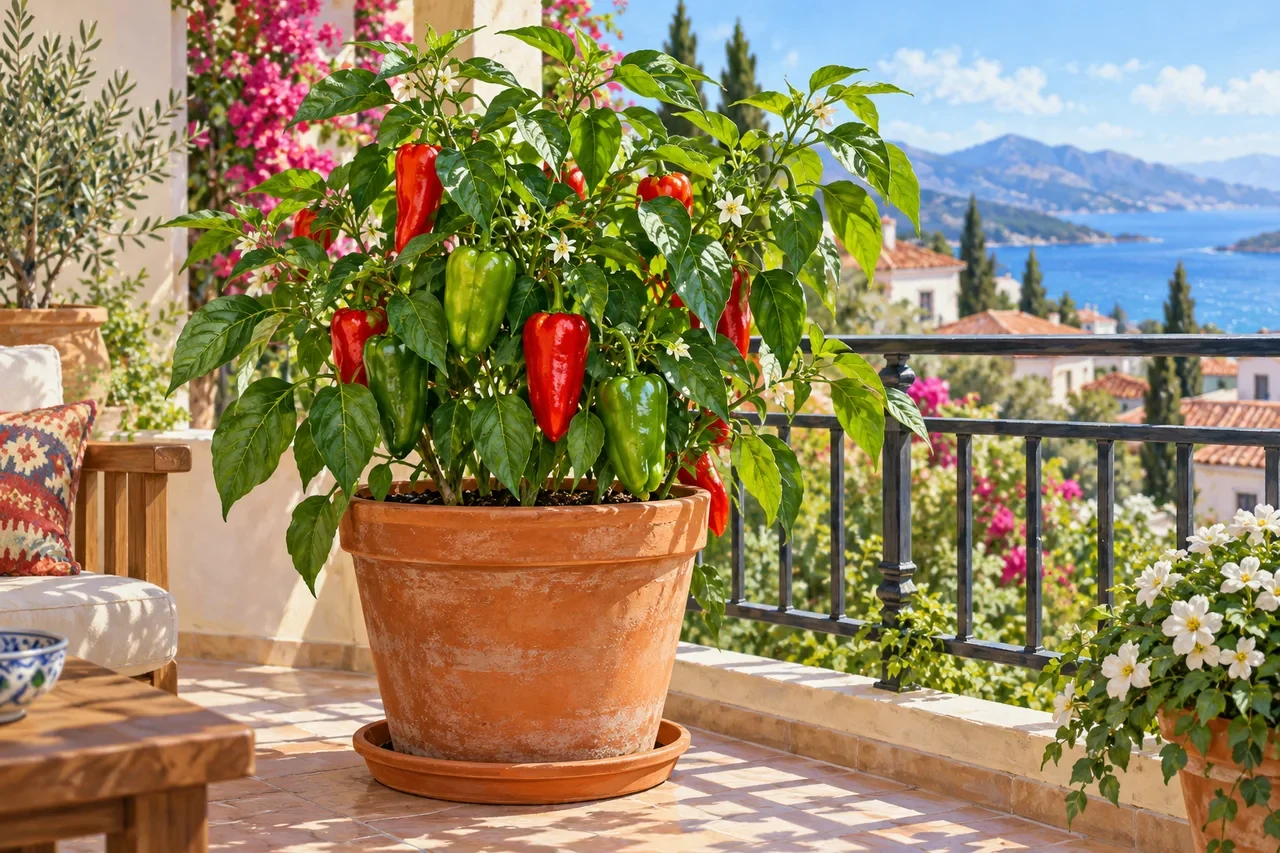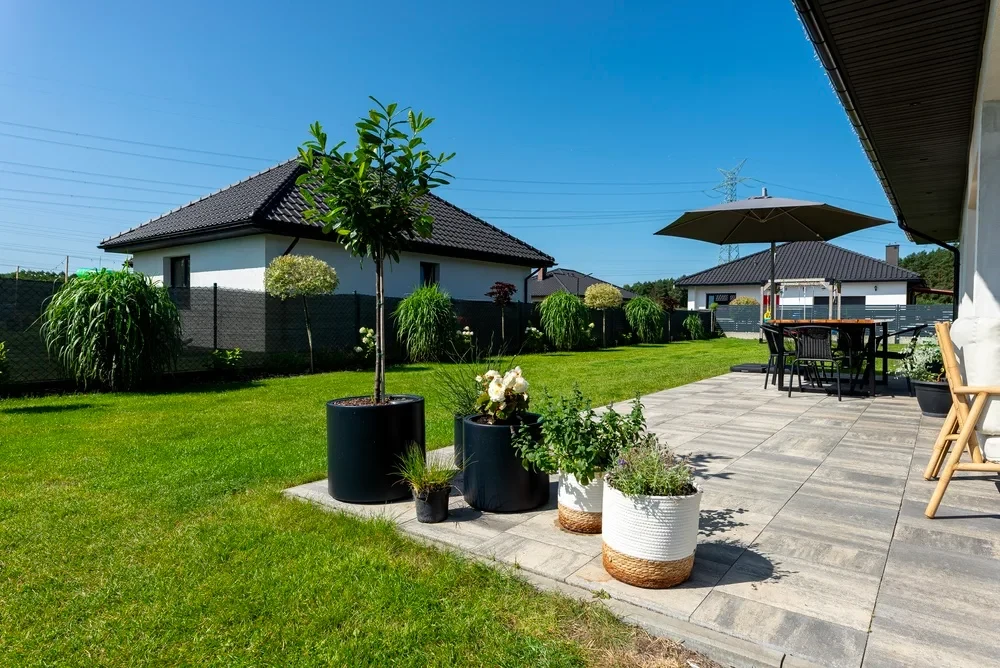
In a humid climate, plastic, resin or fiberglass pots degrade more slowly than clay or wood. Drainage holes, a layer of gravel and feet reduce standing water. A larger pot holds more moisture, which can be a risk when conditions stay wet.
Material Durability
The material of the pot is crucial in a humid climate. Materials like plastic, resin, and fiberglass are often more resistant to moisture and less likely to degrade over time compared to clay or wood. These materials are also lighter, making them easier to move if necessary.
Drainage Capabilities
Proper drainage is essential to prevent waterlogging, which can lead to root rot. Ensure that the pots have adequate drainage holes and consider using a layer of gravel at the bottom to facilitate water flow. Additionally, elevated pots or those with feet can help improve drainage.
Size and Shape
The size and shape of the pot should be appropriate for the plant type. Larger pots retain more moisture, which can be beneficial in hot weather, but may pose a risk in consistently humid conditions. Consider the growth habits of the plant and choose a pot that allows for proper root development.
Plant Compatibility
Some plants thrive in humid conditions, while others may struggle. Choose plants that are naturally suited to high humidity and ensure that the pot size and material complement the plant's needs. Tropical plants, for example, often do well in humid environments.
Maintenance Considerations
Regular maintenance is important to prevent mold and mildew growth on pots in humid climates. Clean the pots periodically and check for any signs of deterioration or damage. This helps in prolonging the life of both the pot and the plant.