In Samsun, tomatoes often start strongly; the problem shows up when the foliage thickens and several rainy days follow one another. In managing disease, the first question is not which product to spray, but how quickly the leaves can dry during the day.
A gap that looks empty in May can be a wall in July
Planting seedlings too close at the start reduces air movement by mid-season. A gap that looks empty in May can become a wall of leaves in July. Allowing for the variety’s mature size is healthier than constantly cutting leaves later.
If rain has already wet the leaves, do not extend that with irrigation
Watering the root zone as far as you can reduces leaf wetness. Morning watering gives wet surfaces time to dry during the day. If rain has already wet the leaves, our watering should not prolong that.
Pruning is for airflow, not for a skeleton
Removing old lower leaves that touch the soil, and clearly diseased tissue, in a controlled way can help. Stripping half the plant bare in one day also causes stress. Pruning is done for airflow, not to turn the plant into a skeleton.
Read the pattern of a spot first
When I see a spot I look at the pattern first: did it start on a lower leaf, is the edge yellow, what was the weather recently, is there a symptom on the fruit? Those observations get you closer to a correct diagnosis than naming a disease from one photo.
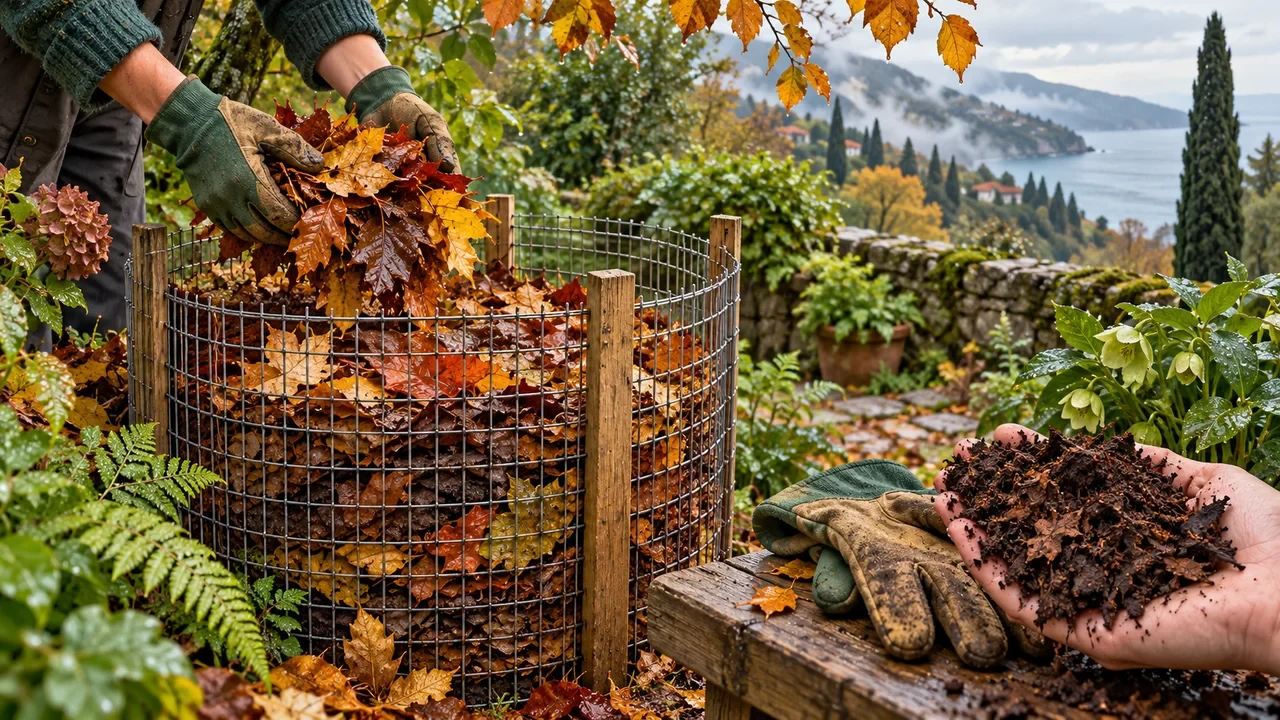
End-of-season clearing is the start of next season
Clearing at the end of the season is the start of the next one. Leaving diseased debris in the bed, not cleaning supports, and putting the same family in the same place again and again can make some problems easier to repeat.